How Long Shoes Actually Need to 'Rest' Between Wears (And Why It Matters More Than People Think)
Shoe rotation advice usually stops at ‘own more than one pair,’ without explaining that the actual reason involves real material recovery time, not just variety or foot boredom. Here is the specific science behind cushioning recovery and a realistic rotation schedule based on it, per the shoe-rotation-and-foot-health-guide logic.
Why Shoe Rotation Is About Genuine Material Recovery Time, Not Just Variety
The material science: the cushioning-foam-needs-real-time-to-fully-decompress-after-compression (the foam midsole materials common in most athletic shoes needing a genuine recovery period to decompress and return closer to their original cushioning capacity after being compressed under body weight during wear — the foam-cushioning-materials-genuinely-need-real-decompression-time-not-just-a-metaphorical-rest), the the-moisture-from-sweat-needs-time-to-fully-evaporate-from-the-shoes-interior-materials (the interior materials absorbing sweat moisture during wear needing adequate time to fully dry out, since residual moisture affects both material integrity over time and interior hygiene — the residual-moisture-needing-time-to-fully-evaporate-is-a-second-genuine-reason-shoes-need-recovery-time-beyond-cushioning), the the-back-to-back-wear-without-recovery-time-accelerates-cumulative-cushioning-breakdown (the wearing the same pair on consecutive days without recovery time meaning each wear compounds compression on foam that hasn’t fully decompressed from the prior day, accelerating cumulative breakdown compared to alternated wear — the consecutive-wear-without-recovery-time-genuinely-accelerates-cumulative-material-breakdown-compared-to-alternated-use), and the reframe (the rotation recommendation as based on genuine material science around foam decompression and moisture evaporation, not simply a vague suggestion to have variety in a shoe collection).

A Realistic Rotation Schedule Based on the Actual Science
The practical schedule: the allow-at-least-twenty-four-hours-between-wears-of-the-same-pair-as-a-reasonable-minimum (the roughly a full day being a commonly cited reasonable minimum for meaningful foam decompression and moisture evaporation to occur before the same pair is worn again — the roughly-twenty-four-hours-is-a-reasonable-general-minimum-recovery-window-for-most-athletic-shoe-cushioning), the the-higher-intensity-or-higher-impact-use-benefits-from-a-longer-recovery-window-than-lower-impact-use (the running and higher-impact activities compressing cushioning more intensely than walking or lower-impact wear, meaning a longer recovery window between wears makes more sense for the higher-impact use case specifically — the higher-impact-use-benefits-from-a-longer-recovery-window-than-lower-impact-casual-wear), the the-two-to-three-pairs-in-active-rotation-covers-most-realistic-weekly-training-schedules (the maintaining two to three pairs in active rotation generally covering most realistic weekly training frequencies while allowing adequate recovery time for each pair between wears, per the the-shoe-rotation-your-feet-actually-need-guide logic — the two-to-three-pairs-in-rotation-is-a-realistic-practical-number-for-most-regular-training-schedules), and the transition (the practical schedule as roughly twenty-four hours minimum between wears of the same pair, a longer window specifically for higher-impact use, and two to three pairs in active rotation as a realistic number for most training frequencies — though rotation only helps a shoe that still has real cushioning life left in it).
Signs a Shoe Needs Retiring, Not Just Resting
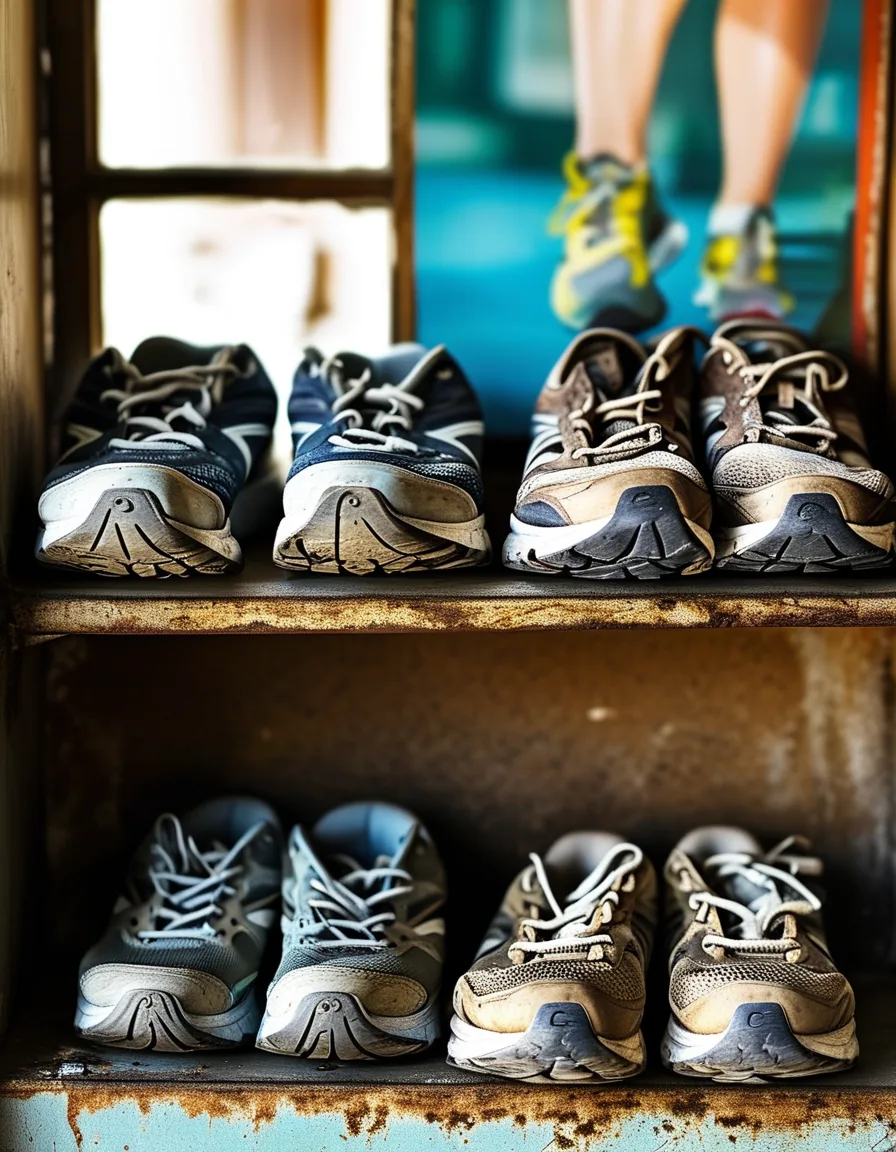
The retirement signals: the the-visible-midsole-compression-lines-or-a-permanently-flattened-heel-strike-area-mean-recovery-time-no-longer-helps (the visibly compressed or permanently flattened cushioning in the heel strike area no longer bouncing back even after a full rest period, a sign the foam has passed the point where recovery time restores meaningful capacity — the permanently-flattened-cushioning-that-doesnt-rebound-after-a-full-rest-means-the-shoe-has-passed-the-point-recovery-time-can-fix), the the-uneven-outsole-wear-pattern-changes-how-the-shoe-actually-loads-the-foot-regardless-of-rotation (the outsole wearing down unevenly on one side altering how the shoe actually loads the foot and lower leg during wear, a structural change that rotation and rest time don’t reverse, per the running-shoe-lifespan-guide logic — the an-uneven-outsole-wear-pattern-changes-the-shoes-actual-loading-behavior-in-a-way-no-amount-of-rest-between-wears-corrects), the the-a-rough-general-mileage-marker-still-applies-as-a-backup-check-alongside-the-visible-signs (the tracking roughly how many miles or hours of wear a pair has accumulated as a useful backup check alongside the visible wear signs, since cushioning breakdown isn’t always visually obvious before it’s already affected support — the tracking-approximate-accumulated-mileage-as-a-backup-check-catches-breakdown-thats-not-yet-visually-obvious), and the frame (the retirement signals as visible midsole compression that no longer rebounds after rest, an uneven outsole wear pattern that changes actual loading, and tracking approximate mileage as a backup check — the point at which rotation has done all it can and the pair itself needs replacing).
Shoe rotation matters because foam cushioning materials need genuine decompression time to return closer to their original capacity after being compressed under body weight, and interior materials need adequate time to fully dry out after absorbing sweat moisture during wear — meaning back-to-back wear without recovery time compounds compression on foam that hasn’t fully decompressed, accelerating cumulative breakdown compared to alternated use. A realistic schedule based on that actual material science is allowing roughly twenty-four hours as a reasonable minimum recovery window between wears of the same pair, extending that window further for higher-impact activities like running that compress cushioning more intensely than walking, and maintaining two to three pairs in active rotation, which covers most realistic weekly training schedules while giving each pair adequate recovery time between uses. Rotation only helps a shoe that still has real life left in it, though — visible midsole compression that no longer rebounds even after a full rest period, an uneven outsole wear pattern that changes how the shoe actually loads the foot, and a rough accumulated mileage marker as a backup check all signal the point where a pair needs retiring rather than simply resting.
Keep Reading
This article is for general informational purposes only and is not medical advice. Always consult a qualified health professional for guidance specific to you.