Wearing the Same Shoes Every Day Is Quietly Hurting Your Feet (Here's the Fix)
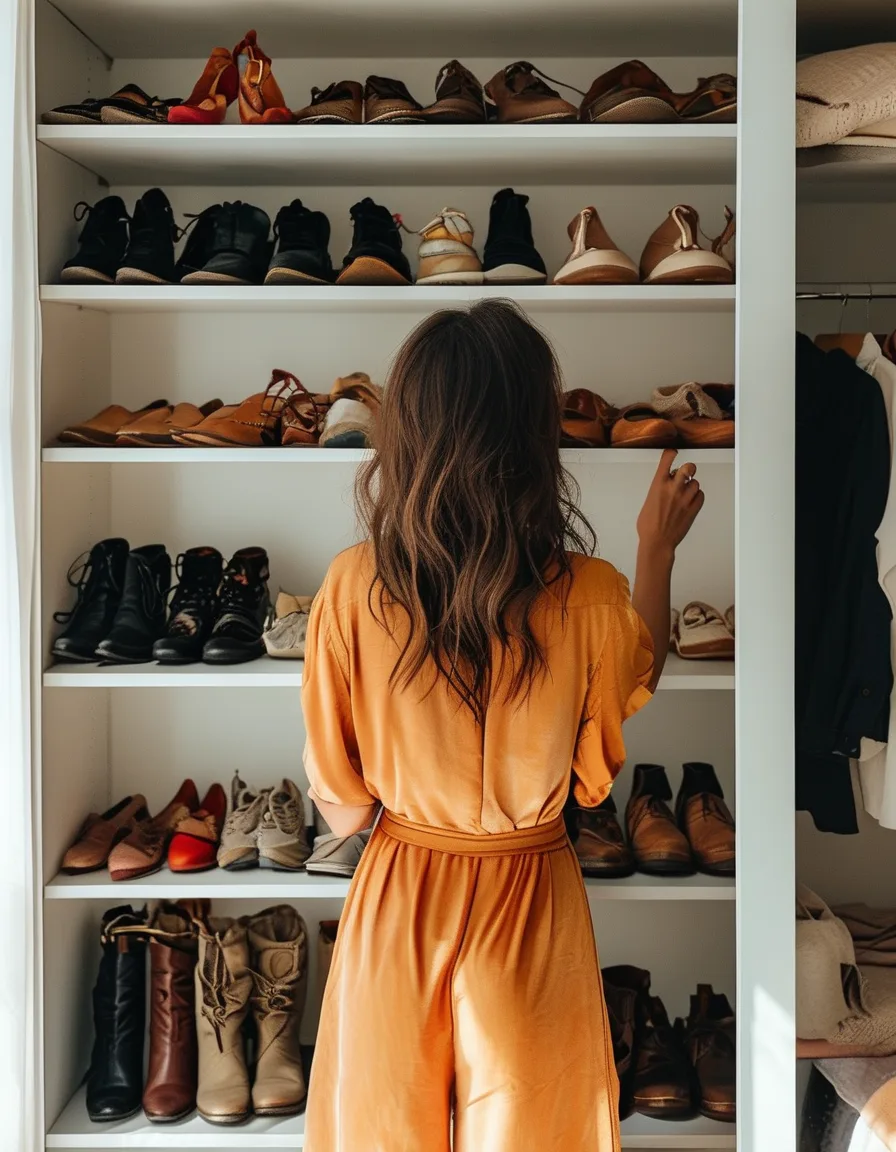
Wearing one favorite, comfortable pair of shoes almost every single day feels like a reasonable, even sensible habit, but it stresses feet in a specific, accumulating pattern that a rotation between a few different pairs actually helps prevent. Here is why repeated identical footwear creates that specific pattern of stress, the real mechanism behind shoe-rotation advice, and how to build a realistic rotation without needing to buy an enormous shoe collection.
Why Repeated Identical Footwear Creates a Specific Accumulating Stress Pattern
The mechanism explained: the the-every-shoe-has-a-specific-pressure-and-flex-pattern-that-loads-the-same-exact-points-every-single-time (the a given shoe’s construction directing pressure and bending stress to the same specific points on the foot with every single wear, unlike the natural variation that different shoes would introduce — the identical-daily-loading-on-the-same-exact-points-is-the-actual-mechanism-behind-the-concern-not-the-shoe-being-bad-itself), the the-cumulative-identical-stress-on-the-same-points-day-after-day-doesn’t-allow-those-specific-tissues-time-to-fully-recover-between-wears (the same structures bearing the same load daily without the recovery window that alternating between different loading patterns would naturally provide — the no-recovery-window-for-the-same-repeatedly-loaded-tissues-is-the-actual-cumulative-risk-not-any-single-days-wear), the the-shoe-cushioning-and-support-materials-also-compress-and-degrade-cumulatively-with-daily-use-similar-to-the-sports-bra-rotation-logic (the actual cushioning and support materials inside a shoe compressing and losing responsiveness with daily use in a way that a rest day between wears partially allows to recover, similar to the sports-bra-rotation-lifespan-guide logic — the the-shoes-own-materials-also-need-a-recovery-window-between-wears-not-just-the-feet-do), the the-different-shoe-types-shift-loading-to-different-muscles-and-structures-meaning-variety-distributes-stress-rather-than-concentrating-it (the alternating between shoes with different heel heights, support levels and flex patterns distributing load across a wider range of foot and lower-leg structures rather than concentrating it repeatedly on the same ones from the shoe-rotation-and-foot-health-guide logic — the variety-across-different-shoe-types-distributes-cumulative-load-rather-than-concentrating-it-repeatedly-on-the-same-structures), the the-this-is-a-cumulative-overuse-mechanism-similar-in-concept-to-other-overuse-injuries-from-repetitive-identical-movement-patterns (the underlying logic paralleling other well-established overuse injury patterns from repetitive identical movement without variation, applied specifically to footwear — the the-underlying-logic-is-the-same-general-overuse-pattern-thats-well-established-in-other-repetitive-movement-contexts-just-applied-specifically-to-footwear), and the reframe (the daily-same-shoes habit as creating a real, specific cumulative overuse pattern through identical repeated loading without recovery time — not an exaggerated concern, but a specific and understandable mechanism)).

The Real Mechanism Behind Shoe-Rotation Advice
What rotation actually accomplishes: the alternating-shoes-gives-the-materials-in-each-pair-time-to-decompress-and-partially-recover-between-wears (the cushioning and support materials in any given pair getting a rest day between wears when rotating, allowing partial material recovery that daily continuous use doesn’t allow — the giving-each-individual-pairs-materials-a-rest-day-is-a-direct-and-real-mechanism-not-just-a-general-variety-benefit), the the-different-shoes-shift-which-specific-muscles-and-tendons-do-relatively-more-or-less-work-spreading-cumulative-load-more-evenly-over-time (the varying heel height, arch support and flex pattern across a rotation genuinely changing which structures bear relatively more load on a given day, distributing overall cumulative stress more evenly across a week than one identical pattern repeated daily — the shifting-relative-load-across-different-structures-through-shoe-variety-is-the-actual-load-distribution-mechanism), the the-rotation-also-naturally-extends-the-total-usable-lifespan-of-each-individual-pair-since-theyre-each-being-worn-less-frequently (the each pair simply accumulating wear more slowly when worn less often, extending how long any single pair remains in good functional condition — the each-individual-pairs-lifespan-extending-is-a-real-secondary-benefit-alongside-the-direct-foot-health-mechanism), the the-the-benefit-scales-with-how-genuinely-different-the-rotated-shoes-are-from-each-other-not-just-how-many-pairs-are-owned (the the actual mechanism depending on real structural difference between rotated pairs, meaning owning several nearly identical shoes doesn’t provide the same benefit as genuinely varied rotation — the genuine-structural-variety-between-rotated-pairs-not-just-the-total-number-of-pairs-owned-is-what-actually-delivers-the-mechanism), the the-the-mechanism-applies-most-clearly-to-frequently-worn-daily-shoes-rather-than-occasional-specialty-footwear (the the rotation logic mattering most for the shoes actually worn most days, rather than occasional dress shoes or specialty footwear worn rarely — the the-mechanism-matters-most-for-whichever-shoes-are-actually-worn-most-frequently-not-for-rarely-worn-specialty-footwear), and the frame (the real mechanism as material recovery time for each individual pair, genuine load redistribution across different structures from real shoe-to-shoe variety, extended lifespan for each pair as a secondary benefit, a benefit that scales with genuine structural difference rather than pair count alone, and relevance concentrated specifically on the most frequently worn daily shoes).
How to Build a Realistic Rotation Without a Huge Shoe Collection
The practical minimum viable rotation: the two-genuinely-different-daily-shoes-covers-most-of-the-real-benefit-for-most-people (the alternating between just two structurally different everyday pairs — not two nearly identical pairs — capturing most of the practical rotation benefit without needing an extensive collection — the just-two-genuinely-different-pairs-alternated-covers-most-of-the-practical-benefit-for-most-peoples-daily-needs), the the-prioritize-genuine-structural-difference-heel-height-support-level-flex-pattern-over-simply-owning-more-pairs (the choosing the second pair specifically for meaningful structural difference from the first, rather than a nearly identical style in a different color — the choosing-for-genuine-structural-difference-specifically-matters-more-than-simply-adding-another-similar-pair), the the-a-simple-day-based-or-activity-based-alternation-pattern-removes-the-need-for-daily-decision-making (the establishing a simple fixed pattern — alternating by day, or by activity type — removing the need to consciously decide each morning from the daily-foot-stretches-guide logic — the a-simple-fixed-alternation-pattern-removes-the-daily-decision-and-makes-the-rotation-sustainable-long-term), the the-add-a-third-pair-specifically-for-a-different-activity-type-rather-than-as-a-third-general-daily-option (the a third pair, if added, being chosen for a distinctly different use case — a specific activity or setting — rather than simply as one more general daily rotation option — the a-third-pair-if-added-is-best-chosen-for-a-genuinely-distinct-use-case-rather-than-as-another-similar-general-option), the the-replace-pairs-based-on-actual-wear-condition-rather-than-a-fixed-calendar-schedule-since-rotation-itself-changes-the-wear-timeline (the checking actual cushioning compression and outsole wear directly, since a rotation changes how quickly any single pair wears down compared to daily solo use — the checking-actual-wear-condition-directly-matters-more-than-a-generic-fixed-replacement-timeline-since-rotation-itself-changes-that-timeline), and the frame (the realistic minimum approach as two genuinely structurally different daily shoes alternated on a simple fixed pattern, a third pair added specifically for a distinct use case if at all, and replacement judged by actual wear condition rather than a generic calendar — a practical, low-cost way to get most of the real benefit without an extensive shoe collection).
Wearing the same shoes every single day directs pressure and flex stress to the same exact points on the foot with every wear, without the recovery window that alternating between structurally different pairs would naturally provide — a real, specific cumulative overuse mechanism rather than an exaggerated concern. Rotating between genuinely different shoes works by giving each pair’s cushioning and support materials a rest day to partially recover between wears, while also shifting which specific muscles and tendons bear relatively more load on a given day, distributing cumulative stress more evenly than one identical pattern repeated daily. Build a realistic rotation with just two structurally different everyday pairs — different heel height, support level or flex pattern, not two nearly identical styles in different colors — alternated on a simple fixed pattern that removes the need for a daily decision, adding a third pair only for a genuinely distinct use case if at all, and judging replacement by actual wear condition rather than a generic calendar timeline since rotation itself changes how quickly any single pair wears down.
Keep Reading
This article is for general informational purposes only and is not medical advice. Always consult a qualified health professional for guidance specific to you.